Stunning Companion Plants For Ninebark
Stunning Companion Plants for Ninebark
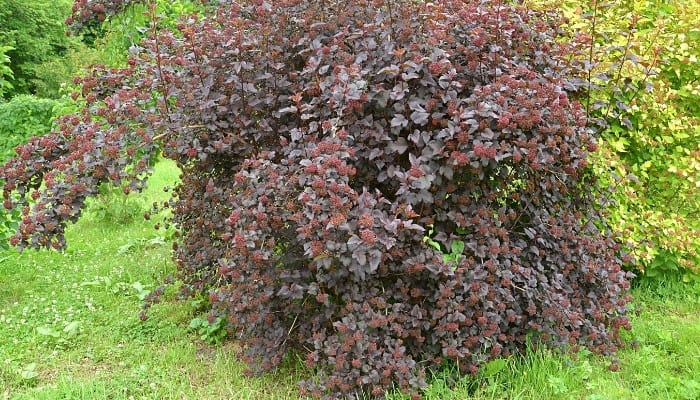
Ninebark is a beautiful and versatile shrub that can be used in a variety of landscape settings. It is known for its colorful foliage, which can range from red to orange to yellow in the fall. Ninebark also blooms in the summer with clusters of white or pink flowers.
One of the best things about ninebark is that it is easy to care for. It is drought-tolerant and can thrive in a variety of soil conditions. Ninebark is also relatively pest- and disease-resistant.
If you are looking to add some stunning companion plants to your ninebark shrub, here are a few suggestions:
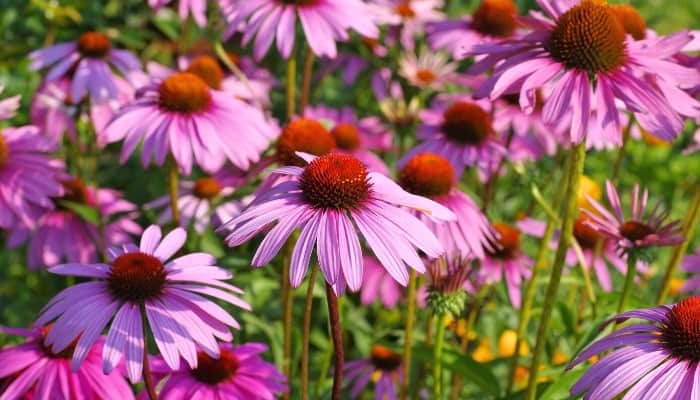
- Coneflowers: Coneflowers are a popular choice for companion plants because they come in a variety of colors that complement the foliage of ninebark. They also bloom at the same time as ninebark, which creates a stunning display of color.
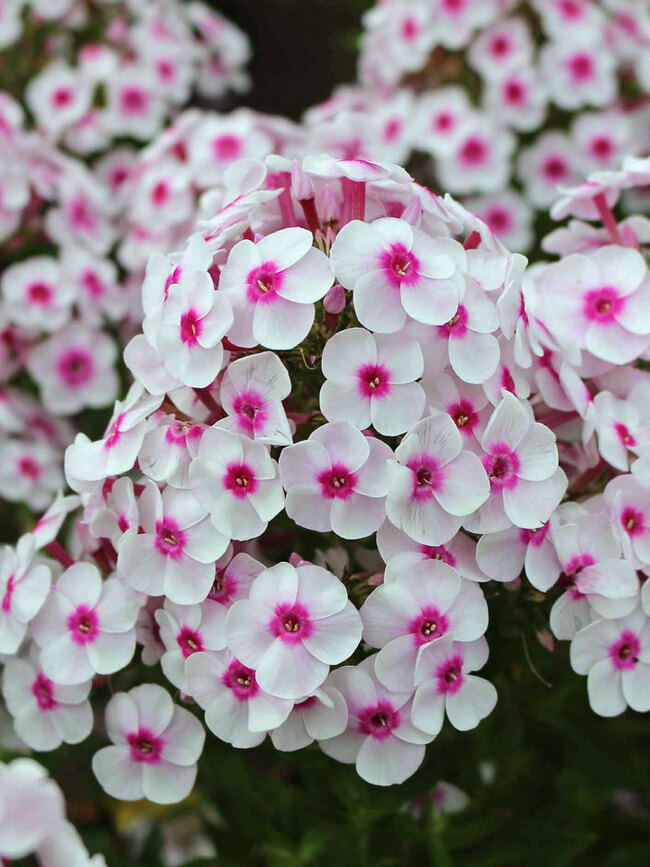
- Phlox: Phlox is another great choice for companion plants because it comes in a variety of colors and textures. It also blooms at the same time as ninebark, which creates a beautiful cascading effect.
- Dogwood trees: Dogwood trees are a classic choice for companion plants because they offer year-round interest. In the spring, they bloom with beautiful white or pink flowers. In the summer, their foliage turns a deep green. And in the fall, their leaves turn shades of red, orange, and yellow.

- Azaleas: Azaleas are a great choice for companion plants if you are looking for a colorful display. They come in a variety of colors, including red, pink, purple, and white. Azaleas also bloom in the spring, which is the same time as ninebark.
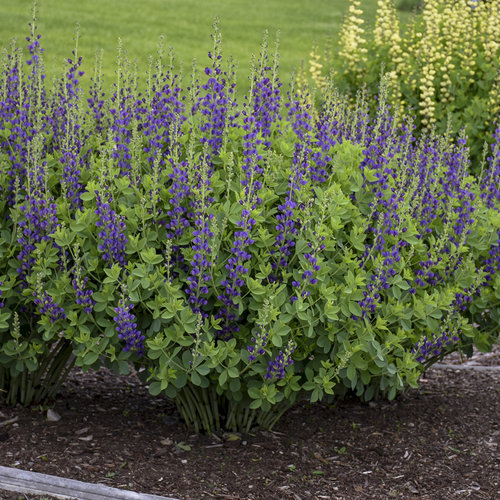
- False indigo: False indigo is a great choice for companion plants if you are looking for a plant with tall, airy blooms. It blooms in the summer with spikes of blue or purple flowers. False indigo also attracts butterflies and other pollinators.
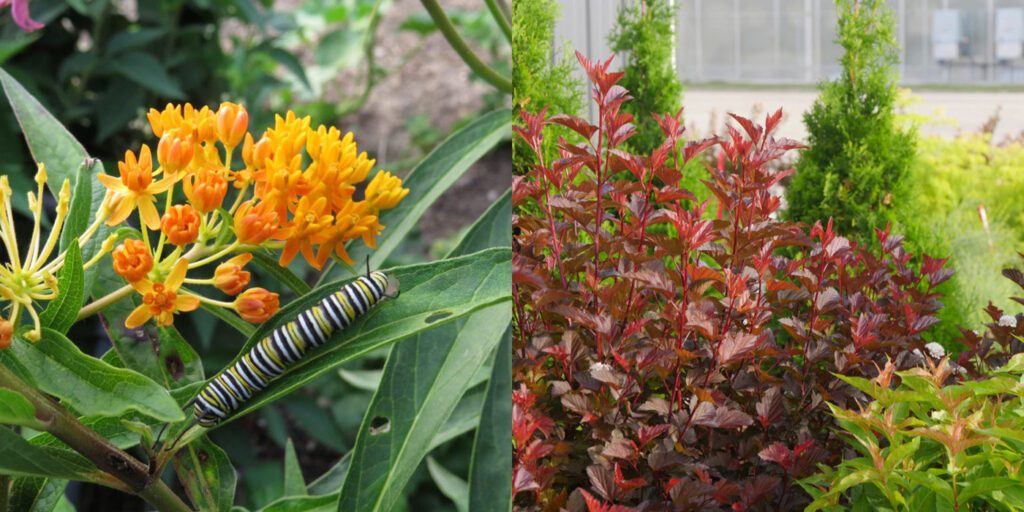
- Spirea: Spirea is a versatile shrub that can be used in a variety of landscape settings. It comes in a variety of sizes and colors, so you can find one that will complement your ninebark shrub. Spirea also blooms in the summer, which is the same time as ninebark.

When choosing companion plants for ninebark, it is important to consider the following factors:
- Color: The colors of the companion plants should complement the foliage of the ninebark shrub.
- Bloom time: The companion plants should bloom at the same time as the ninebark shrub, or they should bloom at different times of the year to create a continuous display of color.
- Height: The companion plants should be similar in height to the ninebark shrub, or they should be taller or shorter to create a layered effect.
- Texture: The companion plants should have different textures to add interest to the landscape.
By following these tips, you can create a stunning and harmonious landscape with ninebark and companion plants.
Ninebark is a beautiful and versatile shrub that can add a touch of elegance to any garden. It is also relatively easy to care for, making it a great choice for even novice gardeners.
One of the best things about ninebark is that it can be paired with a variety of other plants to create stunning and eye-catching combinations. Some of the best companion plants for ninebark include:
- Coneflowers
- Phlox
- Dogwood trees
- Azaleas
- False indigo
These plants all have different colors, textures, and bloom times, which means that they can be used to create a variety of different looks. For example, you could pair ninebark with coneflowers to create a vibrant and colorful border, or you could pair it with dogwood trees to create a more formal and elegant look.
If you are looking for more information about ninebark companion plants, I recommend visiting the Garden Wiki. This website has a wealth of information on the topic, including a list of the best companion plants for ninebark, as well as tips on how to plant and care for these plants.
FAQ of ninebark companion plants
Question 1: What are some good companion plants for ninebark?
Answer: Ninebark is a versatile shrub that can be paired with a variety of other plants. Some good companion plants for ninebark include:
- Perennials:
- Columbine (Aquilegia)
- Hosta
- Iris
- Lily of the valley (Convallaria majalis)
- Phlox
- Shrubs:
- Annabelle hydrangea (Hydrangea arborescens 'Annabelle')
- Burning bush (Euonymus alatus)
- Oakleaf hydrangea (Hydrangea quercifolia)
- Purple coneflower (Echinacea purpurea)
- Weigela
- Trees:
- Crabapple (Malus)
- Dogwood (Cornus)
- Japanese maple (Acer palmatum)
- Oak (Quercus)
- Serviceberry (Amelanchier)
Question 2: What are the benefits of companion planting with ninebark?
Answer: There are many benefits to companion planting with ninebark. Some of these benefits include:
- Improved pollination: Ninebark is a magnet for pollinators, such as bees and butterflies. Companion planting with other plants that attract pollinators can help to improve pollination in your garden.
- Disease and pest control: Some companion plants can help to deter pests and diseases from ninebark. For example, yarrow (Achillea millefolium) is a natural insect repellent that can help to keep pests away from ninebark.
- Enhanced beauty: Companion planting can help to enhance the beauty of your garden. By pairing ninebark with other plants that have complementary colors, textures, and heights, you can create a more visually appealing landscape.
- Increased biodiversity: Companion planting can help to increase biodiversity in your garden. By providing food and shelter for a variety of plants and animals, you can create a more sustainable and healthy ecosystem.
Question 3: How do I choose the right companion plants for ninebark?
Answer: When choosing companion plants for ninebark, there are a few factors to consider:
- Sunlight: Ninebark needs full sun to partial shade. Make sure to choose companion plants that have similar sunlight requirements.
- Soil type: Ninebark prefers well-drained soil. Choose companion plants that also prefer well-drained soil.
- Height: Ninebark can grow up to 6 feet tall. Choose companion plants that have a similar height or that will not outgrow ninebark.
- Color: Ninebark comes in a variety of colors, including white, pink, red, and purple. Choose companion plants that have complementary colors.
- Texture: Ninebark has smooth, green leaves. Choose companion plants that have different textures, such as ferny or spiky leaves.
Question 4: How far apart should I plant ninebark and its companion plants?
Answer: The spacing between ninebark and its companion plants will depend on the size of the plants. In general, you should plant ninebark and its companion plants about 3 feet apart. This will give the plants enough room to grow and thrive.
Question 5: What are some tips for caring for ninebark and its companion plants?
Answer: Ninebark is a relatively low-maintenance plant. However, there are a few things you can do to help keep your ninebark and its companion plants healthy:
- Water regularly: Ninebark needs regular watering, especially during hot, dry weather.
- Fertilize annually: Fertilize your ninebark annually in spring with a balanced fertilizer.
- Prune as needed: Prune your ninebark in late winter or early spring to remove dead or diseased wood and to shape the plant.
- Protect from pests and diseases: Ninebark is relatively pest- and disease-resistant. However, you may need to take steps to protect your plants from pests and diseases, such as using insecticidal soap or neem oil.
Image of ninebark companion plants
- Red Milkweed: This perennial is a great companion for ninebark because it blooms at the same time and has similar flower colors. Red milkweed is also a good source of nectar for butterflies and other pollinators.
- Wild Bergamot: This native wildflower is another good choice for companion planting with ninebark. Wild bergamot blooms in shades of pink, blue, and white, and it attracts butterflies and other pollinators.

- Yellow Coneflower: This perennial is a classic companion plant for ninebark. Yellow coneflower blooms in the summer and fall, and it comes in a variety of colors, including yellow, orange, and red.
- Ironweed: This tall, native wildflower is a great choice for the back of a border. Ironweed blooms in the late summer and fall, and it attracts butterflies and other pollinators.
- Spirea: Spirea is a similar shrub to ninebark, and it can be planted together to create a more diverse border. Spirea blooms in the spring, and it comes in a variety of colors, including white, pink, and purple.
Post a Comment for " Stunning Companion Plants For Ninebark"